





Proven for multi-site scale
Manage hundreds of sites from one platform, with centralized control, distributed authoring, and enterprise-level reliability worldwide.
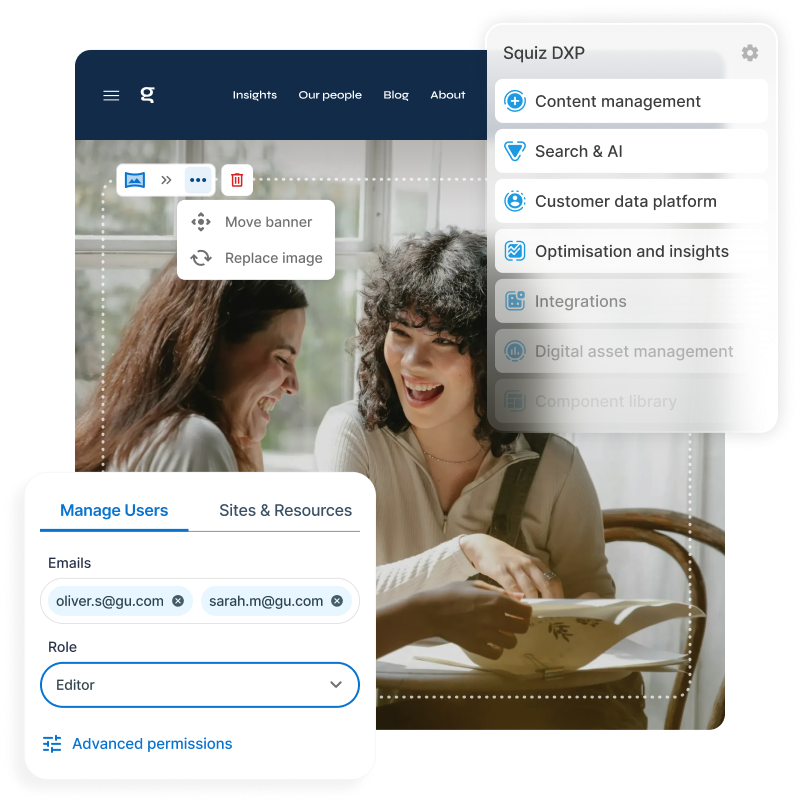
The Squiz Digital Experience Platform (DXP) combines content management, personalization, search and analytics to help marketing teams build, manage and optimize fast, without developer dependency.
Campaigns stall when simple website updates need developer support. Testing slows, content queues grow, and marketing teams lose control of the experiences they’re trying to deliver.
Squiz DXP is a digital experience platform that puts control back in marketing’s hands. It combines content management, personalization, and customer data so teams can create, optimize, and scale digital experiences without developer bottlenecks.



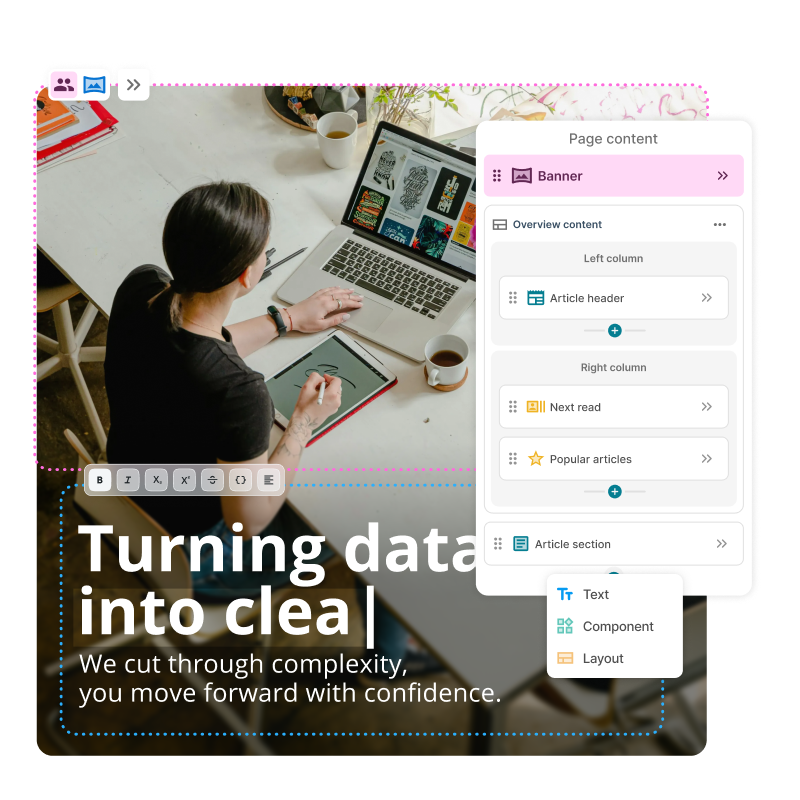
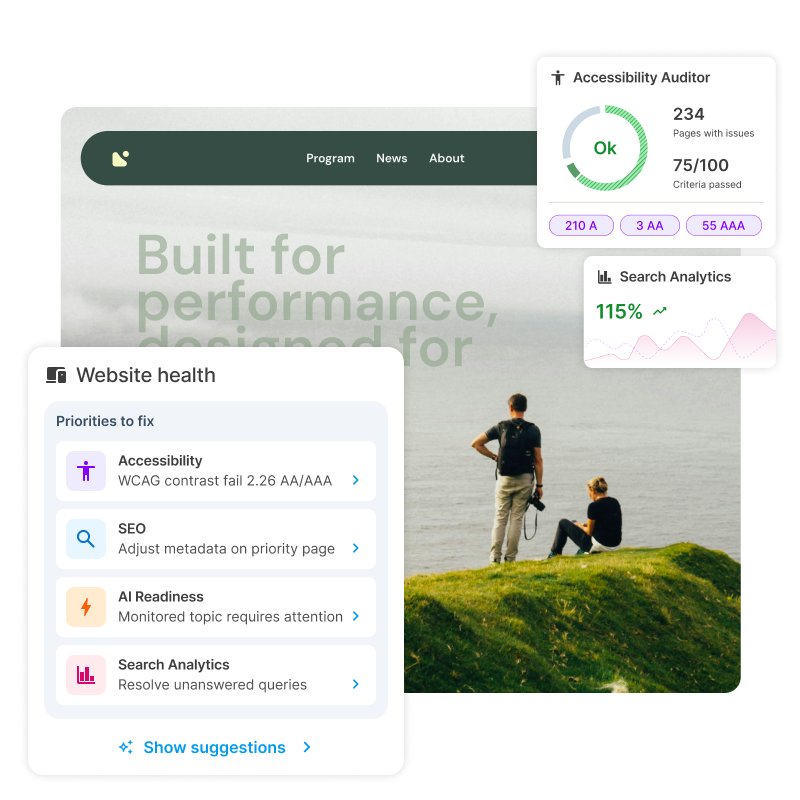
Intuitive drag-and-drop page building makes content management a breeze. Drop components and layouts into place, edit content directly in the preview, and publish. It's that easy. Developers build your design system once using industry-standard languages and frameworks, then marketers lead creative execution.
Bring your customer data together to personalize your website for different segments, and drive measurable engagement. Map user journeys and run A/B tests to see what’s working so you can quickly fix what’s not, turning insights into action across every touchpoint.
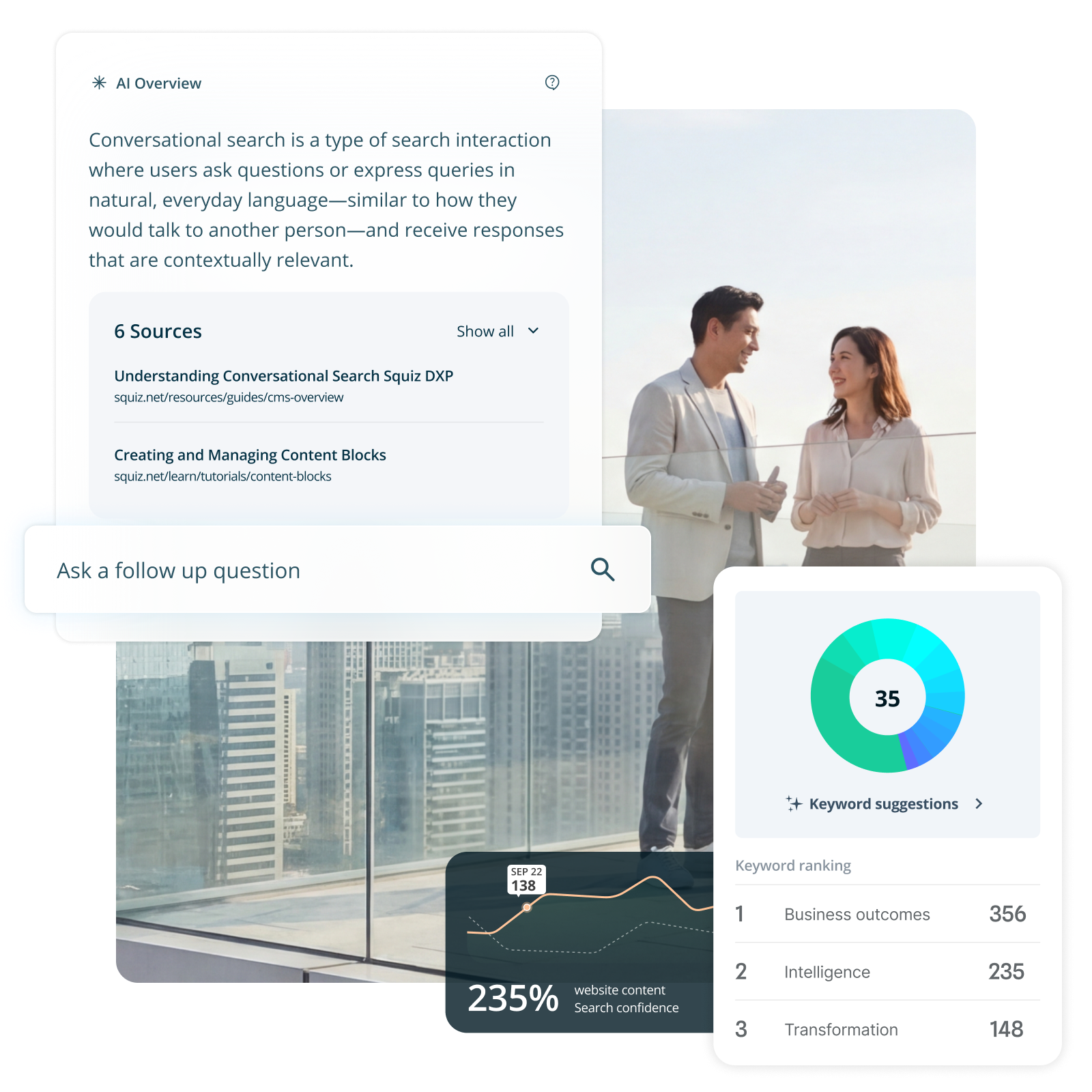
With Squiz Funnelback Search built in, your content stays discoverable on your site, in traditional search engines like Google, and through AI search platforms like ChatGPT. Your users get gold-standard keyword search and conversational search on your website. You get SEO, accessibility, and content quality insights, to help you optimize for discoverability across platforms.
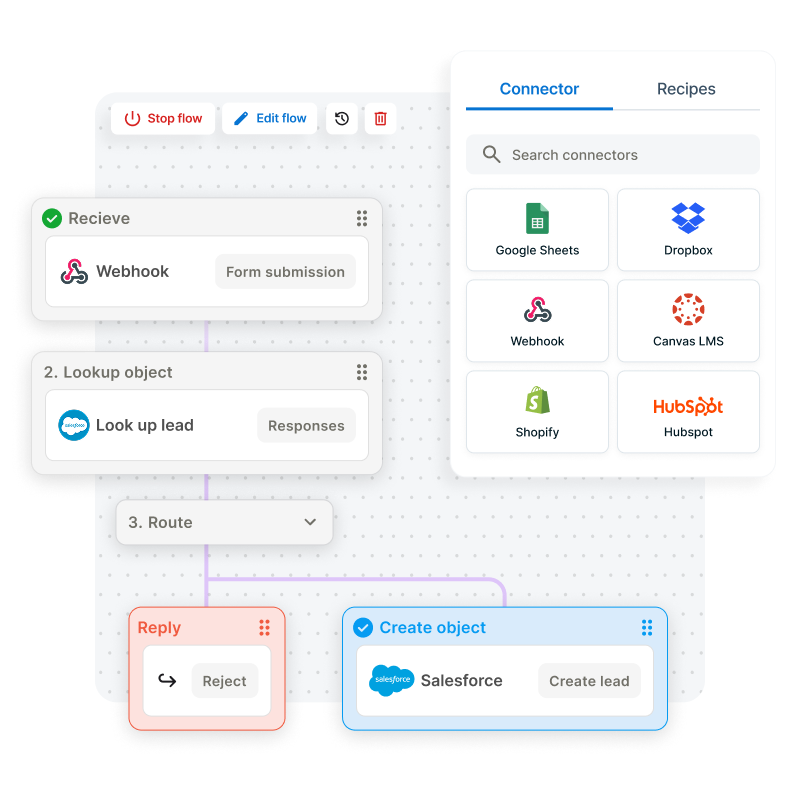
Connect the tools you already use with pre-built or low-code connectors in Squiz DXP’s integration platform. Swap, upgrade, or add new tools as your needs change, without breaking experiences. No lock-in, no headaches; just a tech stack that grows with you as your needs and goals evolve.
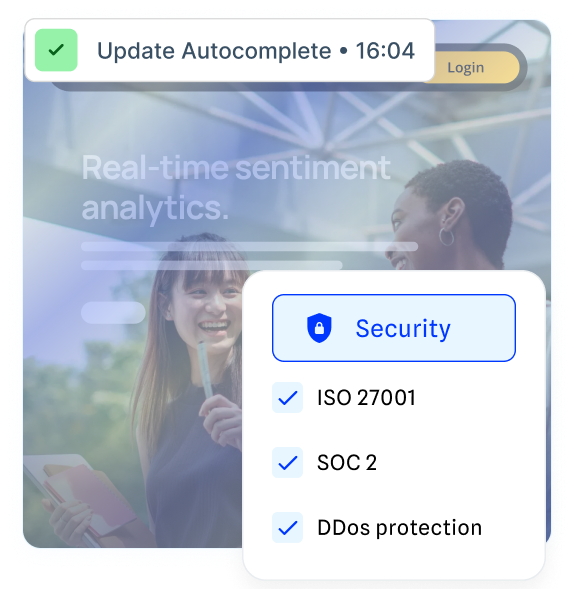
Squiz DXP is delivered as a Software-as-a-Service platform, with automatic upgrades, maintenance, and performance scaling. Built-in security includes DDoS protection and a global CDN. Squiz maintains ISO 27001 and SOC 2 compliance, so teams can focus on delivering digital experiences instead of managing infrastructure.
Moving from legacy CMS platforms to Squiz DXP is simple. Our AI-powered migration tools automate content, metadata, and design system migration; so you can make the switch in weeks, not months.
Explore how teams like yours can streamline experience building and management, and deliver real user insights and ROI.
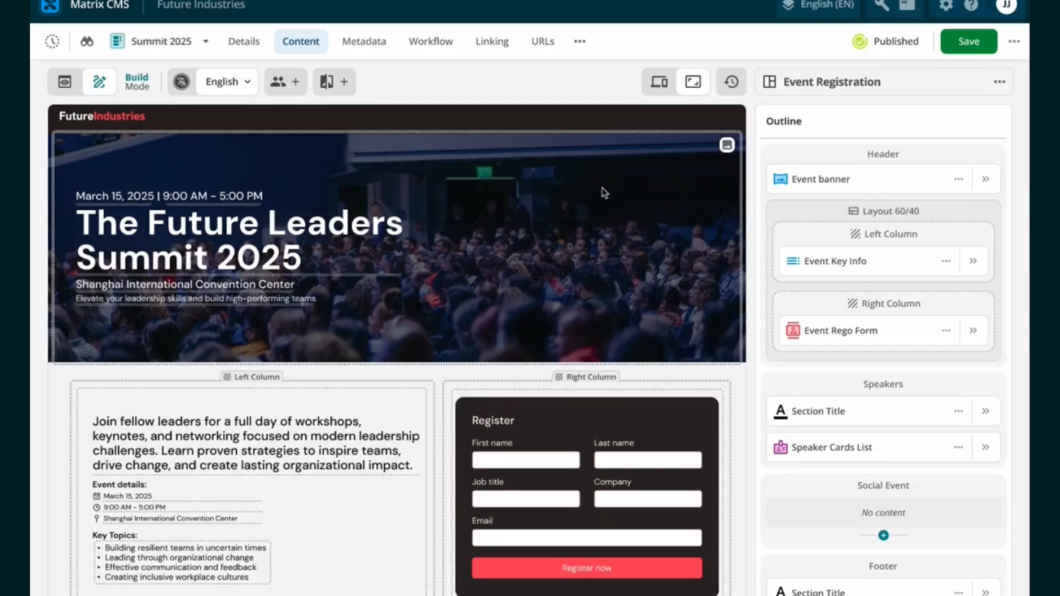
Video: Watch a marketer build, personalize, and publish. No devs needed.. Captions and transcript available on playback.
See how easy it is to create pages, tailor content, and manage version history, all in one place. This is just one example of what you can do without a ticket to your dev team.
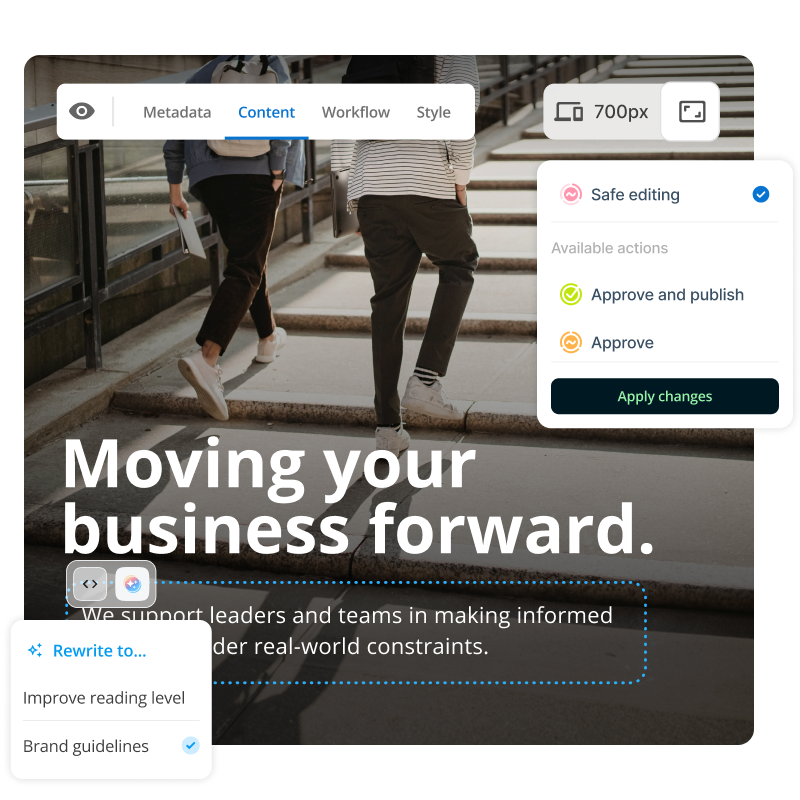
Create and publish pages in minutes, with built-in governance to keep everything on-brand. Even across hundreds of sites.
Manage every image, video, and file from one library, so only approved and current assets are used across your sites and campaigns.
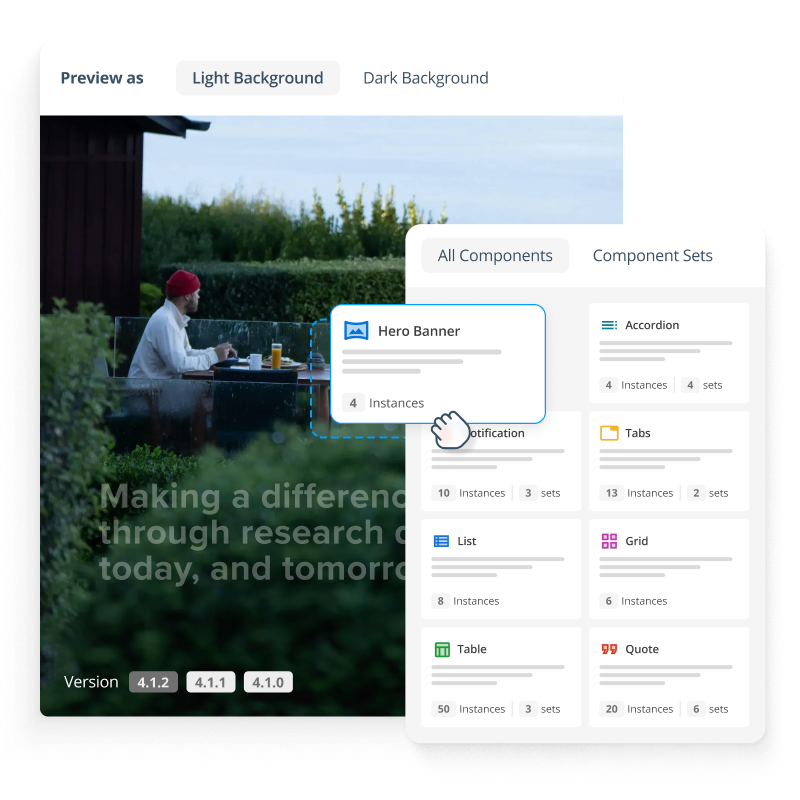
Create reusable page elements, like CTAs, carousels and accordions, that maintain your design system to stay on-brand everywhere.
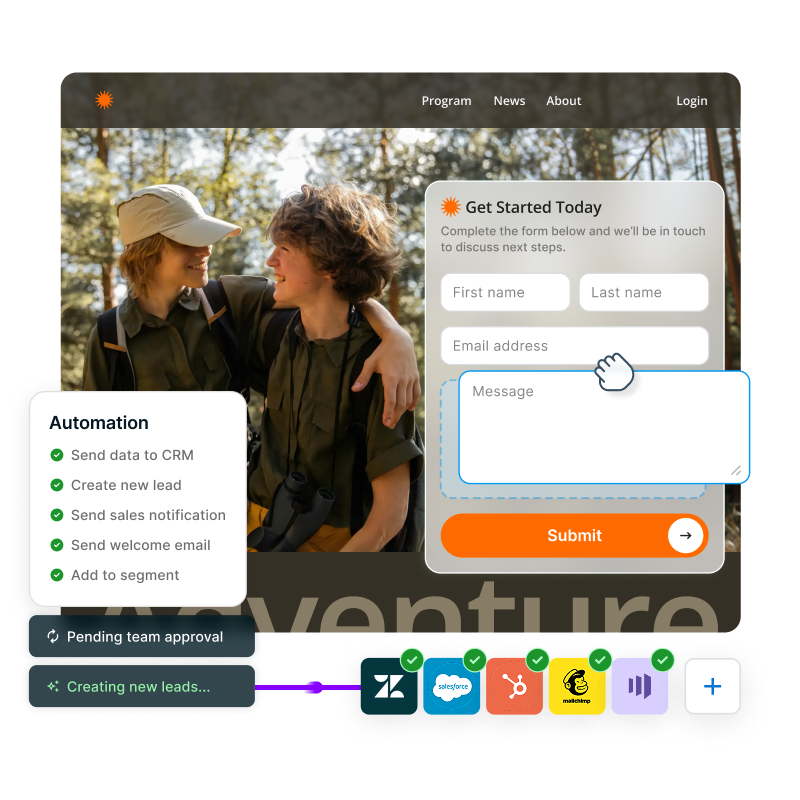
Help users find answers from your content - everywhere they search - with intelligent on-site keyword search and on-site conversational search.
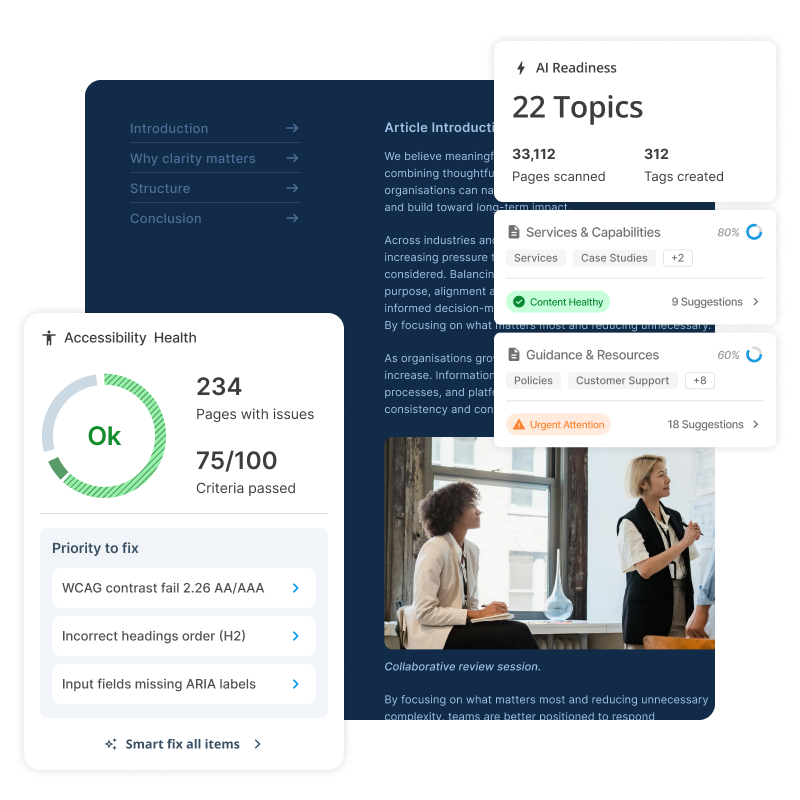
Audits your entire site for accessibility and AI readiness, with impact-based prioritization and built-in remediation guidance.
See content and SEO problems at a glance, fix them fast, and boost performance everywhere your users search.
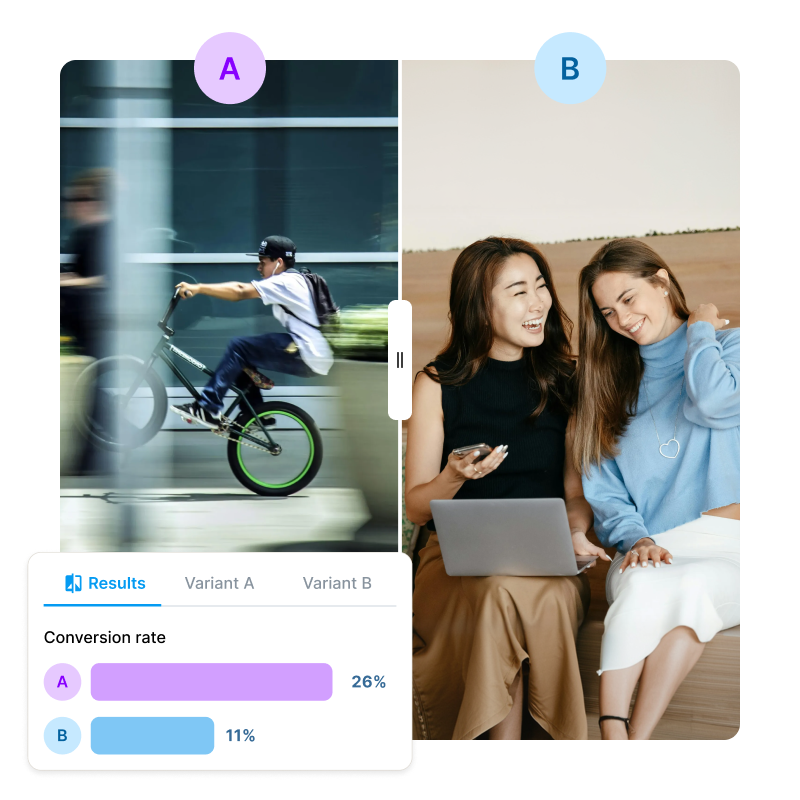
Give your marketing team the power to run A/B tests, map journeys, and refine what works, so every visit delivers results.
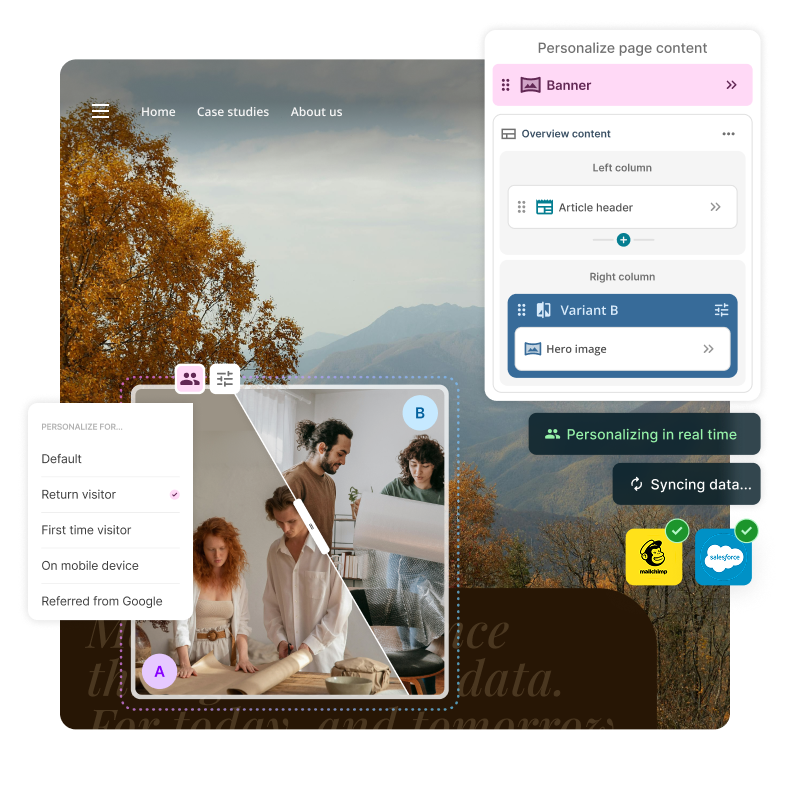
Deliver one-to-one experiences at scale. Real-time, relevant, and easy for marketers to manage.
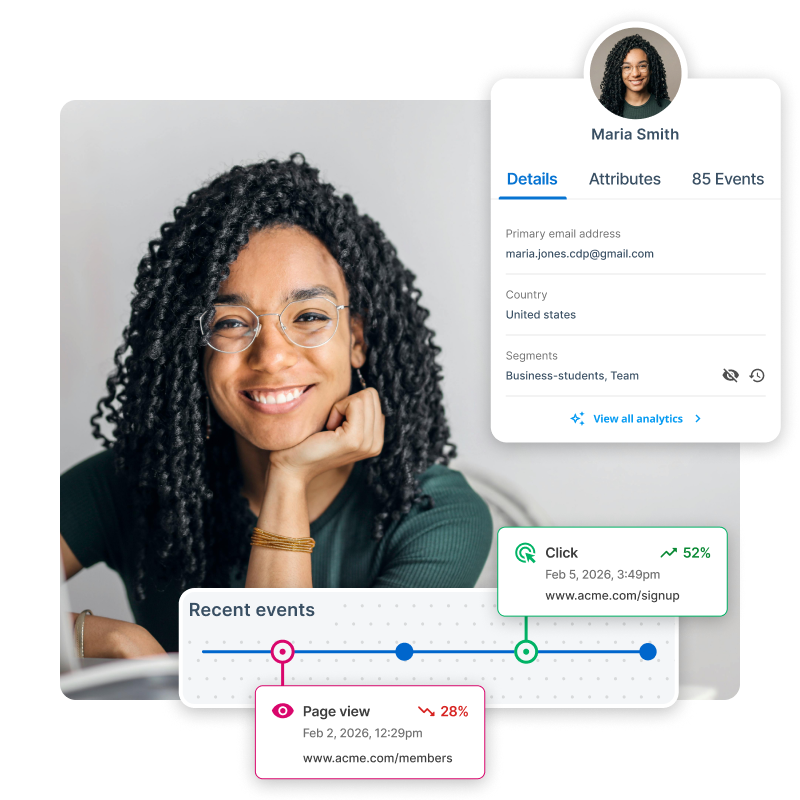
Bring all your customer data together to understand your audience, segment them in real time, and deliver personalized experiences.
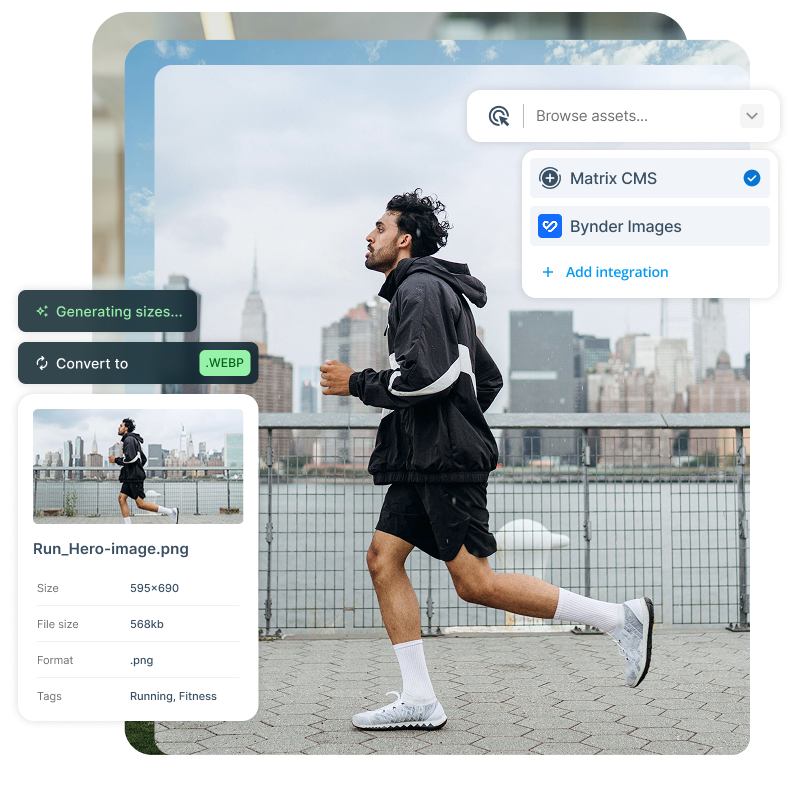
Build, swap, and maintain integrations with low-code or pre-built connectors centralized in one easy-to-manage platform.






A Digital Experience Platform (DXP) helps teams deliver seamless digital experiences across multiple channels (like websites, apps, portals, and intranets). It combines content management, personalization, optimization, search, analytics, and integrations on one, unified platform. So marketers take back control of their digital channels, creating, optimizing, and delivering experiences that convert, without heavy reliance on developers.
The main differences come down to how they manage content, how flexible they are, and what they allow you to deliver to your users.
Traditional CMS: An all-in-one system where content creation, management, and website display are tightly connected. Think of it like a cookie-cutter house with pre-defined walls, roof, and foundation; you can live there, but it's hard to change the layout or extend to other buildings.
Headless CMS: Separates content creation from how it's displayed, giving more flexibility to show the same content across different platforms (like websites, apps, social media). It's like taking that house and separating the foundation from everything else; the foundation (your content) stays put, but you can build whatever you want on top of it.
Digital Experience Platform (DXP): A DXP extends beyond content management to support complete, multi-channel digital experiences; ideal for complex, service-driven organizations. In Squiz DXP’s case, it brings together tools for personalization, analytics, search, integrations, and content optimization so organizations can manage and deliver tailored experiences at scale, without building separate systems for each channel.
The Squiz DXP is designed for complex, service-led organizations that want to harness the power of digital to improve the services they offer online. We serve a wide range of industries, including but not limited to, professional services (including law firms), utilities, higher education, public sector, and financial services.
Squiz DXP is a single platform, not a set of standalone tools. All capabilities (like CMS, Search, Integrations, and CDP) are built to work together as connected parts of the platform.
That doesn’t mean you have to pay for everything at once. Pricing is based on the capabilities you actually use. For example, you could keep your existing CMS while using Squiz DXP for Squiz Funnelback Search and Integrations. The DXP remains the foundation that brings all your chosen tools together seamlessly.
Think of it like a smartphone: the device itself is the platform, and it comes with core apps built in. You might only use the camera and calendar (and you might download additional apps of your choice), but you still need the phone to run them.
Selecting the right platform requires careful consideration of both your current situation and future growth plans. Here are the key factors to evaluate:
Squiz DXP is built to fit seamlessly with the tools you already use. With its iPaaS (Integration Platform as a Service) capability and composable architecture, you can connect existing systems quickly and easily. Choose from pre-built, secure integrations to apps like Microsoft, Salesforce, Hubspot, Google, and more, or create new connections to any system with an API in minutes. Whether it’s your eCommerce platform, email marketing tool, or specialized software, Squiz DXP ensures everything works together so your content, data, and customer experiences stay consistent across all channels.
Squiz DXP helps organizations scale both traffic and operations through:
1. Handling traffic spikes and performance
2. Scaling governance and managing multiple sites
Unlike traditional CMS platforms, Squiz DXP supports high-traffic, enterprise-grade digital environments, enabling rapid growth and consistent performance without manual intervention or system overhauls.
Migrating to Squiz DXP is fast, low-risk, and designed to reduce stress for your team. For a fast lift-and-shift, your content can be moved in a few weeks. If a more comprehensive content overhaul and redesign effort is needed, we can do a thorough review of your content, design, and site structure. Our migration tools automatically map content, URLs, and metadata to preserve SEO and reduce duplicate content.
We can also help replace legacy integration code with secure, centralized connections using our built-in integration platform. Pre-built connectors and best-practice integration patterns reduce custom code, maintenance, and ongoing costs, ensuring your systems work together seamlessly. This allows you to take a phased approach and pilot new pages or subsites on Squiz DXP in parallel with your existing platform, enabling a rapid transition to Squiz without the stress of moving everything at once.
This approach has been successfully proven for many customers, reducing cost, risk, and effort, and we can provide a migration proof-of-concept on your content.
We're also actively developing AI-powered migration tools to automate moving content, templates, layouts, and design systems. These include:
You can learn more about this in our roadmap.